
Patsy Mink
The First Woman of Color in Congress

“Service is the rent we pay for living. It is the very purpose of life and not something you do in your spare time.”
Patsy Mink
Patsy Takemoto Mink was an extraordinary woman who made a huge impact on women in the United States. Born in 1927 in Maui, she was the child of second-generation Japanese immigrants who instilled in her a tenacity that would one day shake the walls of power. Despite rampant anti-Japanese sentiment in World War II Hawai‘i, Mink was elected student body president of Maui High School, making her the first girl to be elected president in the school’s history. This was just one of her many “firsts” throughout her life. In a world that had little room for women of color to lead, she made space. She historically became the first woman of color elected to the U.S. Congress, and then she advocated courageously for equity, education, and civil rights.

Mink’s path was never easy, but she met resistance with resourcefulness. After being rejected from twenty medical schools, at a time when being both a woman and Japanese American meant significant discrimination, she pivoted and pursued law. Graduating from the University of Chicago Law School in 1951, she returned to Hawai’i and became the first Japanese American woman admitted to the Hawaii bar. Sadly, as a Japanese American woman, she could not get a job in a law firm. Determined to work and serve others, she opened her own practice and entered the field of politics, committed to fixing a system she knew was broken.
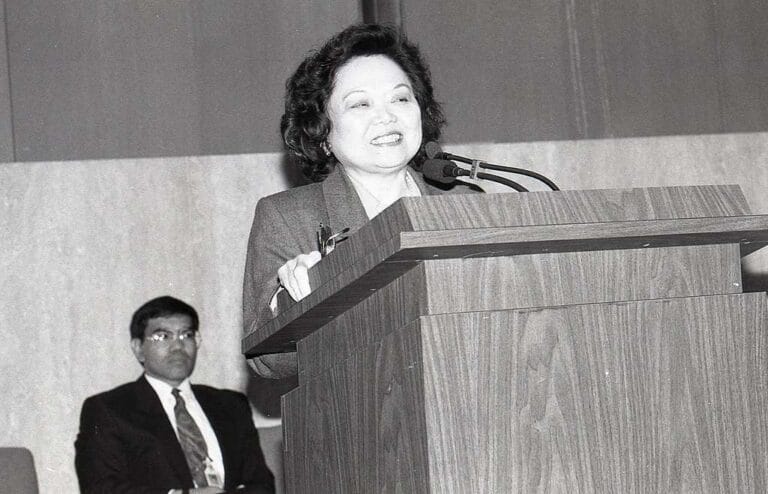
Her election to Congress in 1964 was truly groundbreaking. A powerful truth-teller, Patsy Mink quickly became known not just for her sharp legal mind, but for her moral clarity. Long before diversity became a political buzzword, she co-founded the Congressional Asian Pacific American Caucus, making space for all. Opposed to the Vietnam War, she spoke up even when it was politically dangerous to do so. She lobbied for children and immigrants, working women, and for Indigenous peoples, anyone whose voice had been suppressed. One of the most important pieces of legislation she authored was the first comprehensive childcare bill in Congress. In the course of her Congressional career, Patsy Mink authored over 100 pieces of legislation. And with each action, each vote, and each piece of legislation, she widened the circle of justice.
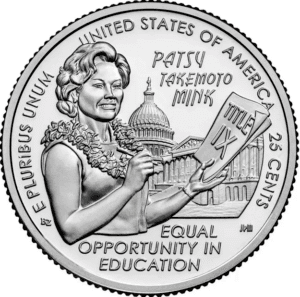
Patsy Mink’s most significant legislative achievement came in 1972, when she co-authored and championed Title IX of the Education Amendments. Title IX is a simple promise: that no one should be denied an education because of their gender. But simple promises, as history shows us, often require relentless warriors. Mink was indeed that warrior. In the years that followed, millions of women would take participate in athletics, courts, and classrooms, because Patsy Mink had fought for their right to be there. In honor of her extraordinary work, a US quarter was minted with her likeness.

In so many ways, Patsy Mink led trailblazing initiatives. She was the first Asian-American woman to run for U.S. President. In 1972, Patsy Mink launched a symbolic campaign in the Oregon Democratic primary as an anti-war protest against President Nixon. She also opposed the Gulf War and the PATRIOT Act. Seeing the future, she championed Internet access for the Navy in the islands.
During the Carter administration, Patsy Mink became Assistant Secretary of State for Oceans and International Environmental and Scientific Affairs, demonstrating her commitment to global environmental issues. Her desire to protect our oceans echoed through her work in this role.
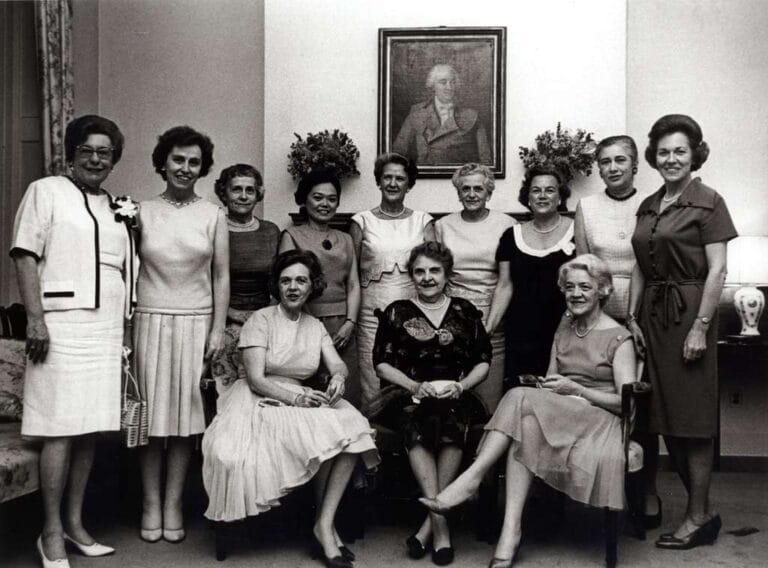
Patsy Mink believed in intersectionality, although that term was coined much later. She understood the link between racism and economic inequality, between sexism and imperialism and she fought to break down those barriers. Her tireless work helped create the foundation of coalition politics, where women, people of color, and the working class could find common cause. Knocking down barriers, she built bridges instead.
The spirit of her work endures long after her death. The same year she died, Congress renamed Title IX as the Patsy T. Mink Equal Opportunity in Education Act, a fitting tribute to a woman who gave voice to the marginalized and demanded equal opportunity for all. In remembering her, we do not merely honor the first woman of color in Congress. We celebrate a leader who made an indelible impact on this country. “Women have to take control of their own destinies, not wait for someone to write their opportunities into law.”
All through her life, Patsy Mink advocated for:
• equality for all regardless of gender or ethnicity
• the environment
• peace in the world
• comprehensive childcare
• civil rights for all

Lessons from Patsy Mink’s Life:
The courageous and unstoppable Patsy Mink broke through obstacles at every level. From being elected student body president to serving as the first woman of color elected to the U.S. Congress to co-authoring Title IX, she defied the status quo and made her own way. When no one would hire her, she regrouped, opened her own law firm and decided to change the very systems that excluded her. Her legacy reminds us that fighting against institutional bias is not only necessary, it’s powerful
“Women have a tremendous responsibility to help shape the future of America, to help decide policies that will affect the course of our history.”
With her work in Congress and Title X, Patsy Mink demonstrated that significant change often happens behind the scenes, through persistence and policy. She played the long game, and it paid off for generations. She lived the premise that real equity doesn’t just arrive, it’s created through relentless advocacy and strategic action.

Action Steps You Can Take:
Like Patsy Mink, your tenacity and resourcefulness can make a huge difference.
• What barriers can you break through?
• Which causes fire you up and inspire you
to take action to improve them?
• Who could you form alliances with to make a difference?

Did this article inspire you?
Please share your feedback and share it with others here:
