Dr. Mariko Silver
Philanthropy, Activism and Education
From Dr. Cole:
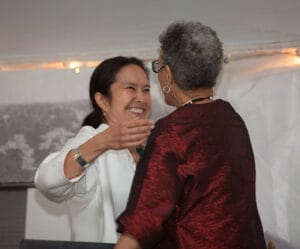
When I first met Dr. Mariko Silver in 2013, I thought of that old saying, often attributed to Ralph Waldo Emerson: “The apple doesn’t fall far from the tree.” I had long admired her mother, Joan Shigekawa, a visionary Japanese American film and television producer, and former Deputy Chair of the National Endowment for the Arts whom I first met in the late 1990’s when she worked as associate director of the Rockefeller Foundation, where I served on the board.
I met Dr. Silver at a conference on diversity and higher education. What began as a professional connection soon blossomed into a meaningful, sisterly bond. In 2016, while she was serving as president of Bennington College, Dr. Silver presented me with one of her college’s honorary degrees. Since then, our relationship has only grown stronger.
Now, at ages 47 and 88, we share a beautiful intergenerational relationship. I continue to learn from Mariko Silver about the value of lifelong learning, the power of the arts, and the importance of philanthropy.

“I’ve never seen a movement thrive without art, humor, and human connection. You cannot build solidarity on statistics alone.”
Mariko Silver
Mariko Silver is a renaissance woman who has a wealth of experience in academia, philanthropy, government, and the arts. She speaks up and speaks out about the role of higher education, Asian-American and Pacific Islander civil rights, foreign policy and national security, civil engagement in a digital age, and the role of the arts in a democratic society. Her illustrious career has been characterized by diplomacy, service, and educational innovation. Her life is a model of interdisciplinary thinking and creativity in action.
Mariko Silver was born in California. Her family life was very much focused on the arts and public service. Her parents taught her that through art one can understand a range of experiences.

In the midst of a career leading and shaping higher education institutions, including Arizona State University, Columbia University, and Bennington College, Dr. Silver served as Deputy Assistant Secretary for International Policy (DHS) in the Obama administration. This experience gave her a unique window into how policy and partnership decisions are made and enabled her to see issues from a broad perspective.
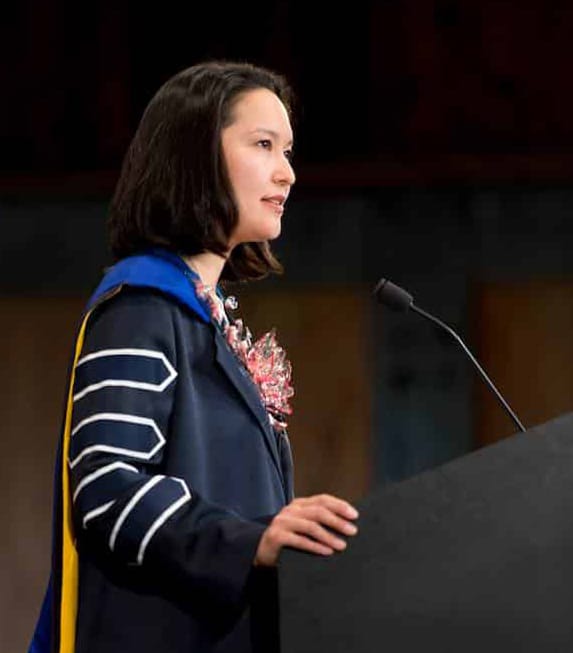
During her tenure as President of Bennington College, Dr. Silver implemented significant changes and dramatically expanded access for students from around the world to its uniquely formative approach to education. Advocating for faculty and student diversity and inclusivity, she changed the admissions focus. Under the Bennington Plan, the college prioritized creative inquiry, public action and grass roots community involvement. Connecting students with area non-profits, they worked on the issues of environment, racial inequity and poverty. Dr. Silver believes in the power of education as a force for community transformation and social activism.
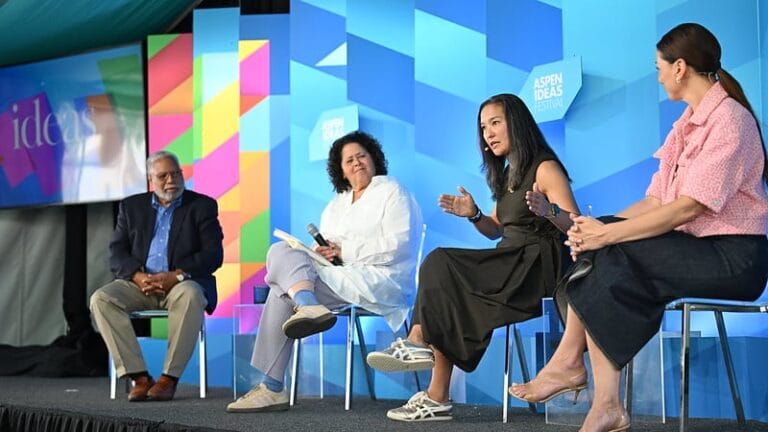
(Dr. Silver is shown here on a panel at Aspen Ideas.)
Mariko Silver donates her time, treasure, and wisdom to many causes that focus on international justice and partnership. Serving on the boards of various non-profits both in the U.S. and globally, she dedicates her energy to promoting access to the arts, democratic practice, and the rights of all women. As a leader in philanthropy during her time as President of the Henry Luce Foundation, she advocated across the sector for grantmaking models which involve communities in funding decisions, supporting grantees to determine their own best futures, rather than using money to impose a standardized vision.
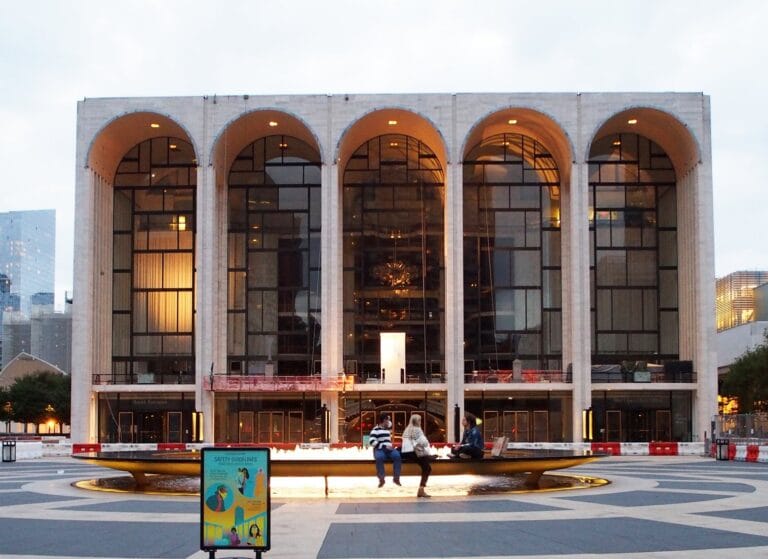
In September 2024, Dr. Silver was appointed to the position of President and CEO of the Lincoln Center for the Performing Arts. She says it is “the childhood dream I never knew I had.”
This sheroe has had an astonishing impact on a number of fields. Her rare combination of life experiences spanning the arts, government, education and philanthropy make her an extraordinary changemaker.
Throughout her life, Dr. Mariko Silver has advocated for:
• diversity and inclusivity
• innovation and equality in education
• community thriving
• the right of all women to thrive
• access to the arts
• meaningful philanthropy with community engagement

Lessons from Dr. Mariko Silver’s Life:
By exploring policies in a variety of fields and watching how people are impacted, she created egalitarian approaches that truly made a difference. “One of the greatest dangers in philanthropy is the savior complex. We don’t need saviors, we need partners willing to listen and follow community leadership.”
Mariko Silver’s life demonstrates that women can, and do redefine power. And they do so by respecting institutional heritage while valuing the quality of human life and using a collaborative approach that is both visionary and highly effective.
Dr. Silver believes in nurturing people and community, where you plant an idea, nurture it to life, and watch it blossom.
She reminds us all that the arts are an essential force in a meaningful and joyful life. “If your vision of justice doesn’t include joy and celebration, it’s incomplete. The point of liberation is not just to end harm but to build something beautiful in its place.”

Action Steps You Can Take:
Like Mariko Silver, you can find ways to nurture the community where you live. You can also enrich your life with the arts and innovation.
- How can you contribute to your local neighborhood in a greater way? What’s one step you could take?
- Can you incorporate more of the arts into your life by regular visits to a museum, going to concerts, or taking dance classes?
- What new creative approach could you incorporate into your work

Did this article inspire you?
Please share your feedback and share it with others here: